Ever dreamt of building an IT empire? The path to digital domination can be a labyrinth, but DoBoard is your trusty map and compass. We'll help you navigate the exciting yet treacherous terrain of IT startups, step-by-step. Let's ditch the chaos and build your IT empire with laser focus, all on a centralized DoBoard!

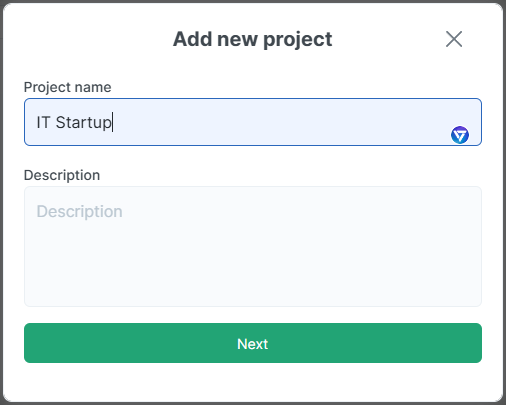
¶ Step 1: Ideate & Validate Your Business Idea (DoBoard Board: "Brainstorming")
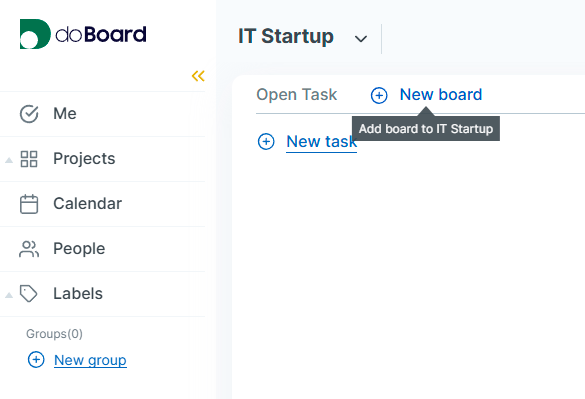
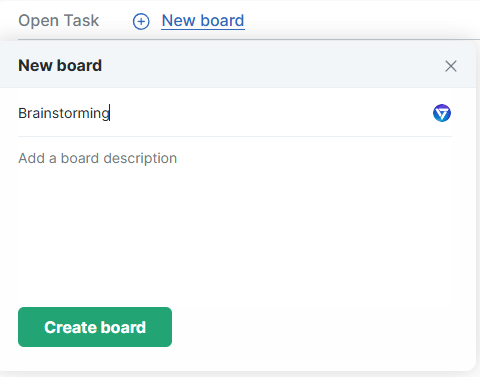
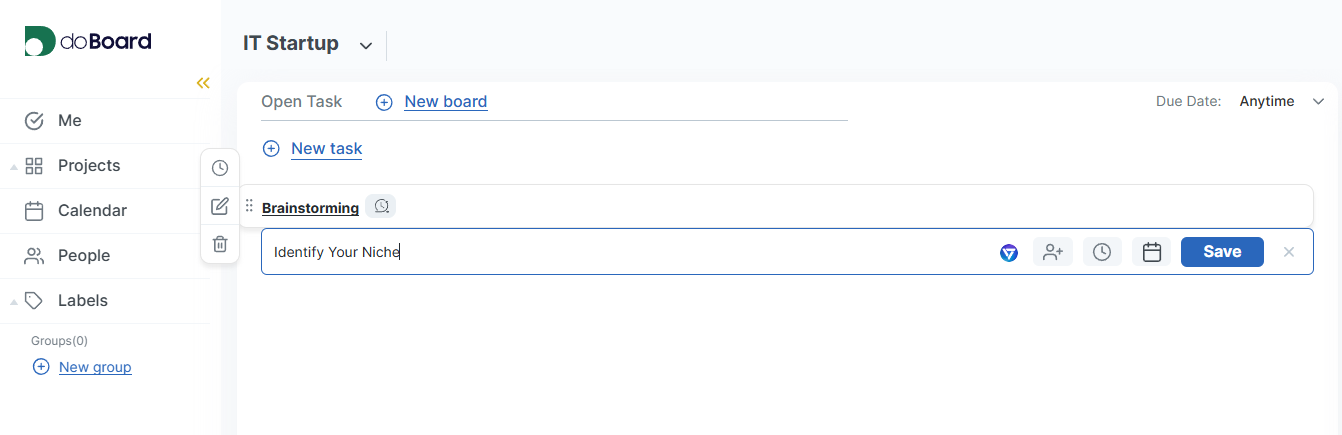
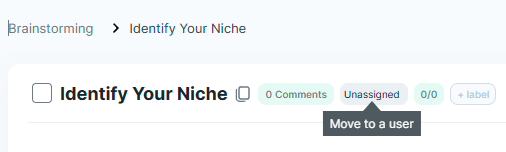
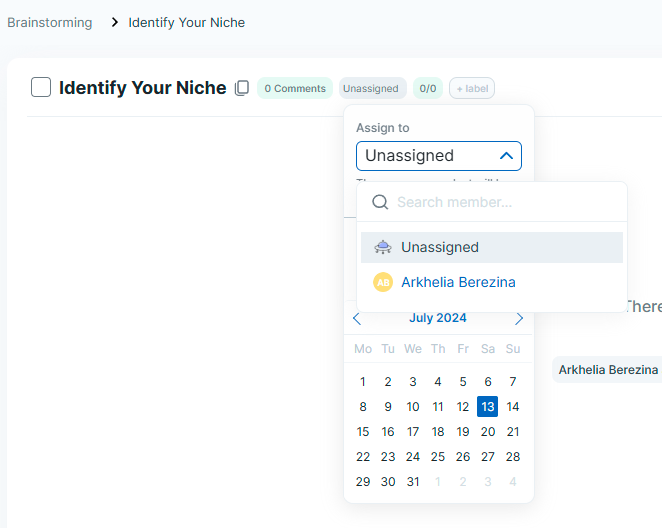
¶ Task 1.1: Identify Your Niche (DoBoard Task: Assign to yourself, Deadline: 1 week)
- Brainstorm IT problems or gaps in the market that your solution could address.
- Consider your skills, experience, and areas of passion within the IT field.
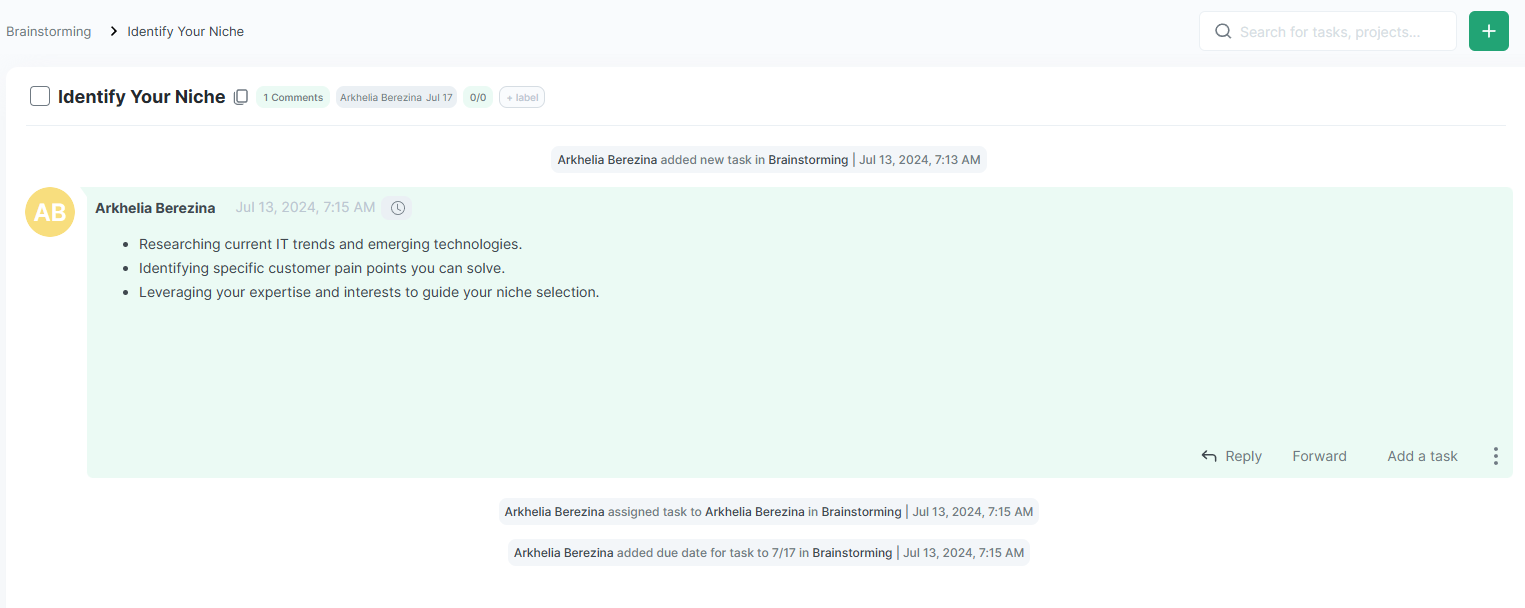
- DoBoard Action: On your "Brainstorming" project, create a mind map to explore potential IT niches. Include sub-tasks for:
- Researching current IT trends and emerging technologies.
- Identifying specific customer pain points you can solve.
- Leveraging your expertise and interests to guide your niche selection.
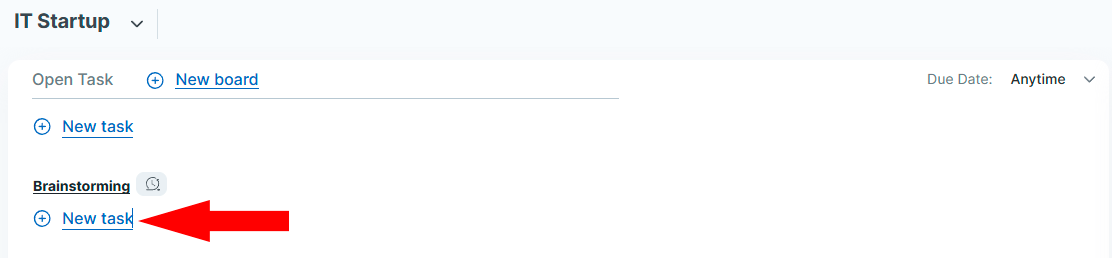
¶ Task 1.2: Refine Your Idea & Validate Market Need (DoBoard Task: Assign to yourself, Deadline: 2 weeks)
- Develop a clear value proposition: what problem does your IT solution solve, and for whom?
- Conduct market research to validate your idea and assess customer demand.
- DoBoard Action: Within your "Brainstorming" project, create a task for refining your idea. Include sub-tasks for:
- Crafting a concise and compelling value proposition statement.
- Researching target customer demographics and needs through surveys, interviews, or online communities.
- Analyzing the competitive landscape and identifying potential differentiators for your solution.
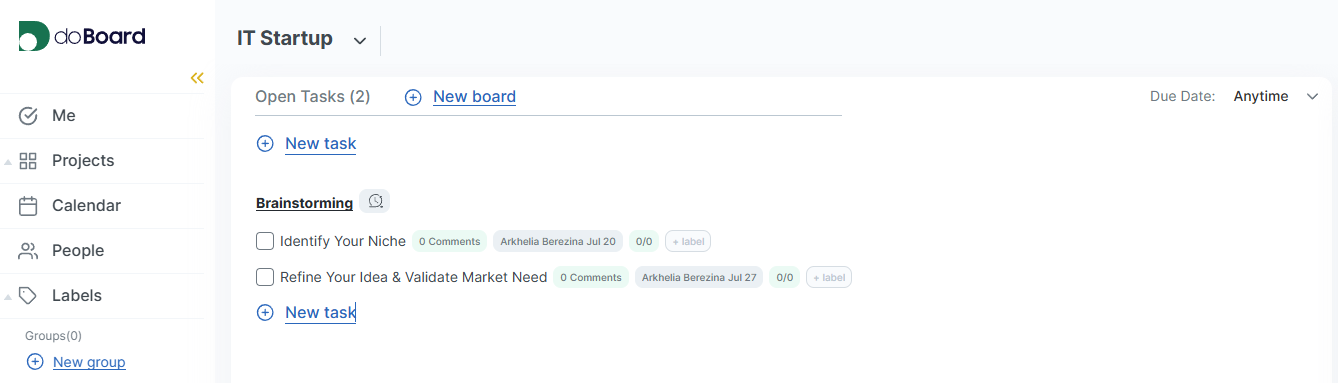
You can also prioritize your tasks using DoBoard’s labels:
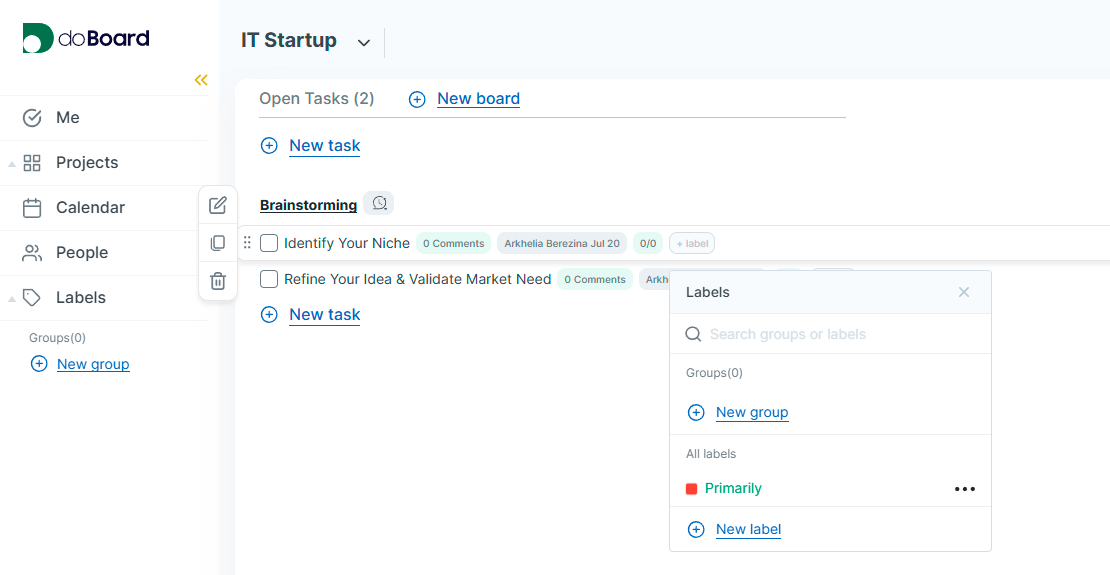
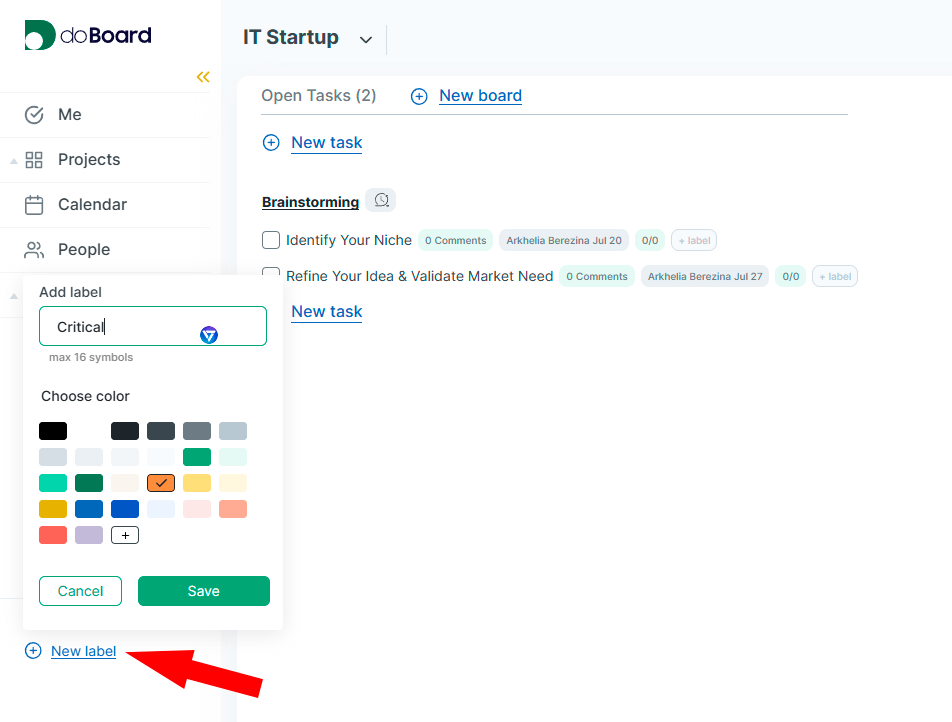
Manage your labels easily:
¶ Step 2: Develop Your Business Plan (DoBoard Board: "Business Plan")
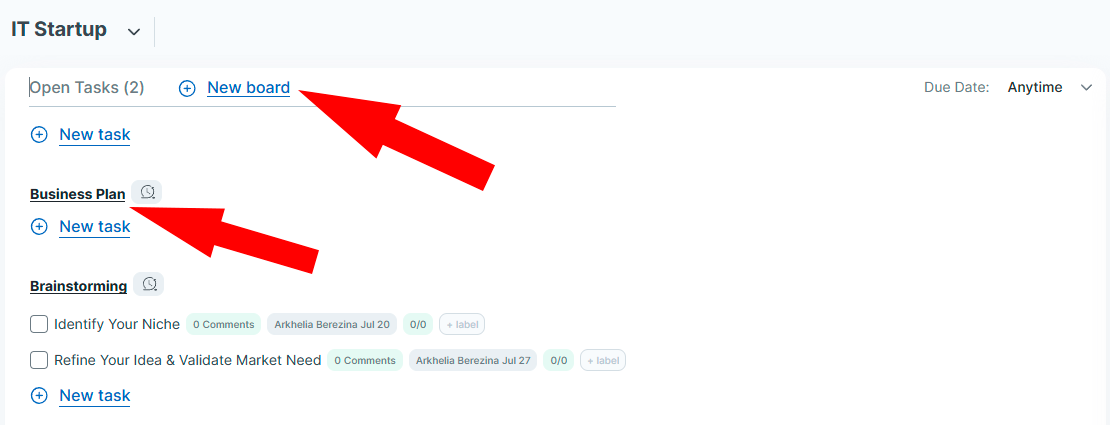
¶ Task 2.1: Define Your Business Model (DoBoard Task: Assign to yourself, Deadline: 1 week)
- Outline how your IT startup will generate revenue (subscriptions, software licenses, consulting services, etc.).
- Identify your target customer segments and pricing strategies.
- DoBoard Action: On your "Business Plan" project, create a task for defining your business model.
Include sub-tasks for:
- Researching different revenue models for IT startups.
- Developing a pricing strategy that aligns with your target market and value proposition.
- Creating a customer segmentation plan to identify different customer groups you'll target.
¶ Task 2.2: Craft Your Competitive Analysis (DoBoard Task: Assign to yourself, Deadline: 1 week):
- Analyze your direct and indirect competitors in the IT space.
- Identify their strengths, weaknesses, and opportunities for differentiation.
- DoBoard Action: Create a separate task on your "Business Plan" project for competitor analysis. Include sub-tasks for:
- Researching major players in your chosen niche.
- Analyzing their product offerings, pricing models, and marketing strategies.
- Identifying key areas where your IT startup can stand out from the competition.
¶ Task 2.3: Outline Your Marketing & Sales Strategy (DoBoard Task: Assign to yourself, Deadline: 1 week):
- Develop a plan to reach your target audience and generate leads.
- Consider marketing channels like online advertising, content marketing, or attending industry events.
- DoBoard Action: Create a final task on your "Business Plan" project for marketing and sales. Include sub-tasks for:
- Researching relevant marketing channels for reaching your target customers.
- Developing a content marketing strategy (blog posts, social media engagement) to establish thought leadership.
- Outlining a sales funnel to convert leads into paying customers.
¶ Step 3: Secure Funding & Build Your Team (DoBoard Board: "Funding & Teambuilding")
¶ Task 3.1: Develop Your Funding Pitch Deck (DoBoard Task: Assign to yourself, Deadline: 2 weeks)
- Create a concise presentation that highlights your IT startup's value proposition, market opportunity, and competitive advantage.
- If seeking funding, tailor your pitch deck to potential investors.
- DoBoard Action: On your "Funding & Teambuilding" project, create a task for your pitch deck. Include sub-tasks for:
- Crafting a compelling narrative that showcases your IT startup's potential.
- Developing clear visuals and data-driven insights to support your claims.
- Tailoring the pitch deck to resonate with potential investors (if applicable). Consider including financial projections and your funding requirements.
¶ Task 3.2: Identify Funding Options & Pitch to Investors (DoBoard Task: Assign to yourself, Deadline: Ongoing)
- Research potential funding sources like angel investors, venture capitalists, or startup loans.
- If applicable, schedule meetings and pitch your IT startup to potential investors.
- DoBoard Action: Within your "Funding & Teambuilding" project, create a task for securing funding. Include sub-tasks for:
- Researching different funding options and their eligibility criteria.
- Identifying relevant angel investors or venture capital firms that align with your niche.
- Creating a calendar to track upcoming investor meetings and presentations.
¶ Task 3.3: Build a Strong IT Startup Team (DoBoard Task: Assign to yourself, Deadline: Ongoing)
- Identify the key skills and roles needed to develop and launch your IT solution.
- Recruit talented developers, designers, marketers, or other specialists based on your requirements.
- DoBoard Action: Create a separate task for team building. Include sub-tasks for:
- Developing a job description for each open position within your IT startup.
- Leveraging online job projects or professional networks to find qualified candidates.
- Utilizing DoBoard to manage the recruitment process (track applications, schedule interviews, etc.).
¶ Step 4: Develop Your IT Solution (DoBoard Board: "Product Development")
¶ Task 4.1: Define Product Features & Develop Minimum Viable Product (MVP) (DoBoard Task: Assign to yourself and development team, Deadline: Ongoing)
- Prioritize the core functionalities of your IT solution and create a product roadmap.
- Develop a Minimum Viable Product (MVP) with essential features to validate your concept with early users.
- DoBoard Action: On your "Product Development" project, create a task for defining product features. Include sub-tasks for:
- Prioritizing features based on customer needs and technical feasibility.
- Creating user stories and storyboards to visualize product functionalities.
- Assigning development tasks to team members and tracking progress within DoBoard.
¶ Task 4.2: Develop, Test, & Refine Your IT Solution (DoBoard Task: Assign to yourself and development team, Deadline: Ongoing):
- Utilize project management tools like DoBoard to manage development sprints, track bugs, and collaborate effectively.
- Conduct thorough testing throughout the development process to ensure functionality and user experience.
- DoBoard Action: Within your "Product Development" project, create tasks for development, testing, and refinement. Include sub-tasks for:
- Breaking down development tasks into manageable sprints using DoBoard.
- Assigning bug reports and improvement suggestions to developers for prompt resolution.
- Utilizing DoBoard features like file sharing and discussions to facilitate team communication.
¶ Step 5: Launch, Market, & Grow (DoBoard Board: "Launch & Growth")
¶ Task 5.1: Prepare for Launch & Marketing Campaign (DoBoard Task: Assign to yourself and marketing team, Deadline: 1 month before launch):
- Finalize your IT solution and develop a launch strategy to reach your target audience.
- Create marketing materials to generate buzz and pre-launch excitement.
- DoBoard Action: On your "Launch & Growth" project, create a task for launch preparation. Include sub-tasks for:
- Establishing a launch date and finalizing marketing campaign details.
- Developing press releases, social media content, or other marketing materials to promote your IT solution.
- Assigning tasks to marketing team members for campaign execution within DoBoard.
¶ Task 5.2: Launch Your IT Solution & Monitor Performance (DoBoard Task: Assign to yourself and team, Deadline: Ongoing):
- Officially launch your IT solution and track key metrics like user acquisition, engagement, and customer feedback.
- DoBoard Action: Create a launch task and a separate task for monitoring performance. Include sub-tasks for:
- Executing your launch strategy and making your IT solution available to users.
- Tracking user downloads, signups, and key performance indicators (KPIs) within DoBoard.
- Analyzing user feedback and data to identify areas for improvement and iterate on your IT solution.
Remember, DoBoard is your central hub throughout this exciting journey. Utilize features like:
- File Sharing: Upload design mockups, development code, and marketing materials for centralized access by your team.
- Discussions: Foster team communication directly within tasks to brainstorm, troubleshoot, and keep everyone on the same page.
¶ Bonus Step: Build a Sustainable IT Startup (DoBoard Board: "Growth & Sustainability")
¶ Task 6.1: Implement Customer Feedback Loop (DoBoard Task: Assign to yourself and customer support team, Deadline: Ongoing):
- Establish a system to collect and analyze customer feedback on your IT solution.
- Utilize feedback to improve your product, marketing strategies, and overall customer experience.
- DoBoard Action: On your "Growth & Sustainability" project, create a task for customer feedback. Include sub-tasks for:
- Developing a customer feedback survey or implementing an in-app feedback mechanism.
- Assigning tasks to the customer support team to address customer concerns promptly.
- Utilizing DoBoard to categorize and analyze customer feedback to identify trends and improvement opportunities.
¶ Task 6.2: Develop a Scalable Business Model (DoBoard Task: Assign to yourself and team, Deadline: Ongoing):
- As your IT startup grows, re-evaluate your business model to ensure long-term sustainability.
- Consider expanding your product offerings, exploring new revenue streams, or optimizing your pricing strategy.
- DoBoard Action: Create a final task for business model scalability. Include sub-tasks for:
- Analyzing customer acquisition costs and customer lifetime value.
- Brainstorming potential new product features or service offerings to meet evolving customer needs.
- Utilizing DoBoard to track key financial metrics and make data-driven decisions about your business model.
By following these steps and leveraging DoBoard's powerful project management tools, you'll be well-equipped to navigate the exciting world of IT startups. Remember, the key is to take it one step (or DoBoard task!) at a time, adapt to new challenges, and continuously improve your IT solution based on user feedback. With dedication, perseverance, and DoBoard by your side, you can transform your innovative idea into a thriving IT startup!